VOGUE RUNWAY: Y/PROJECT SS22 by Slow Waves


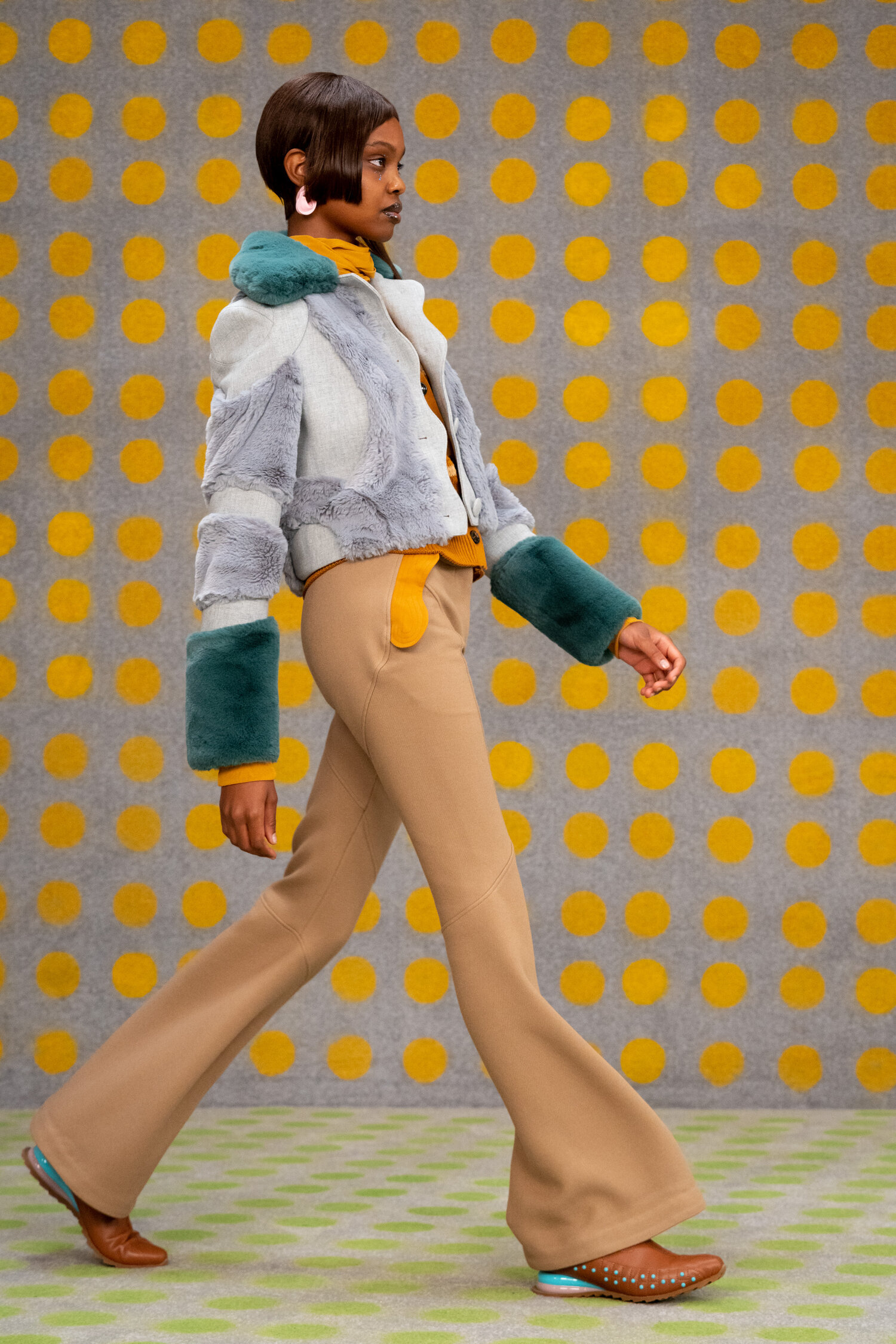
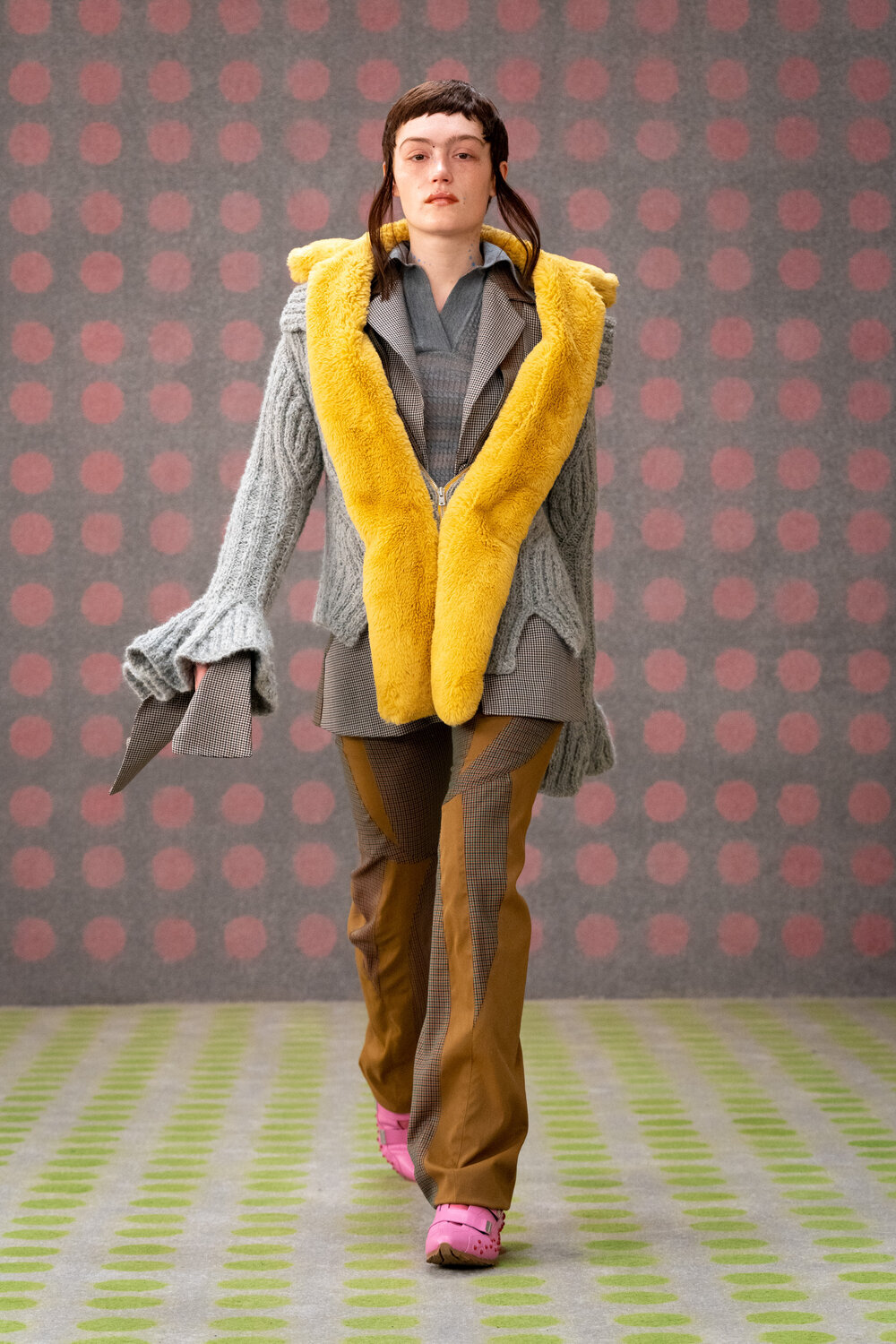
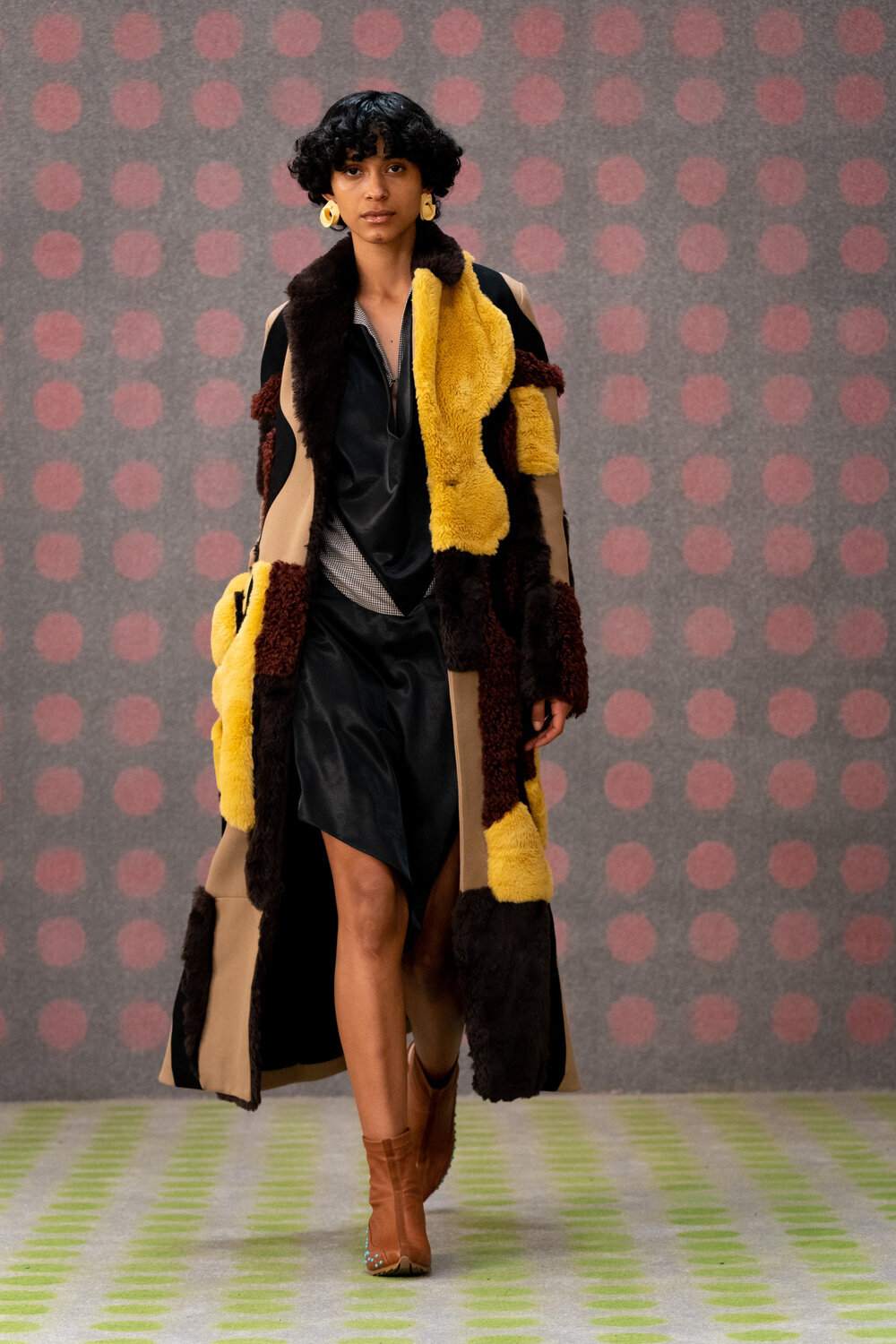
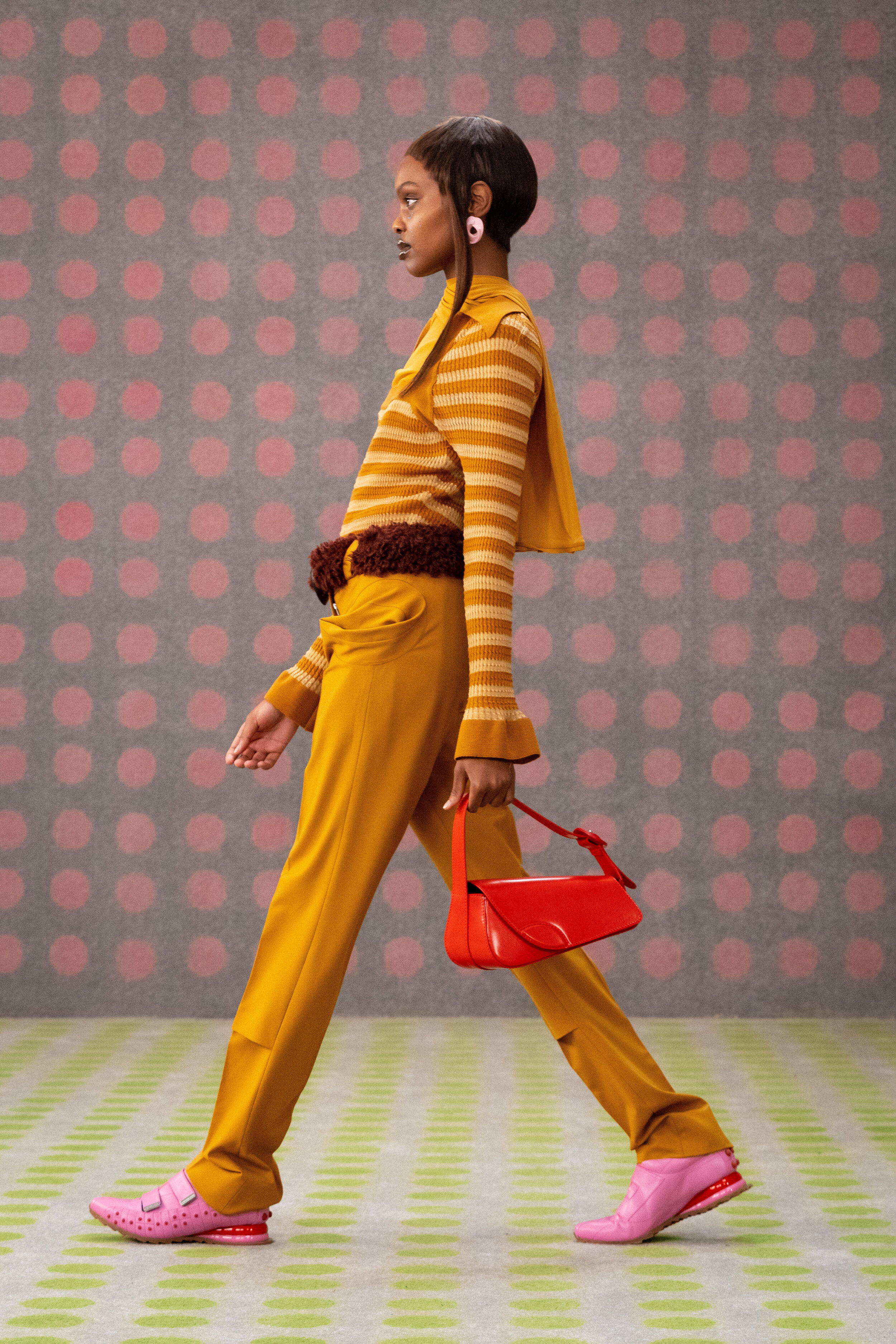
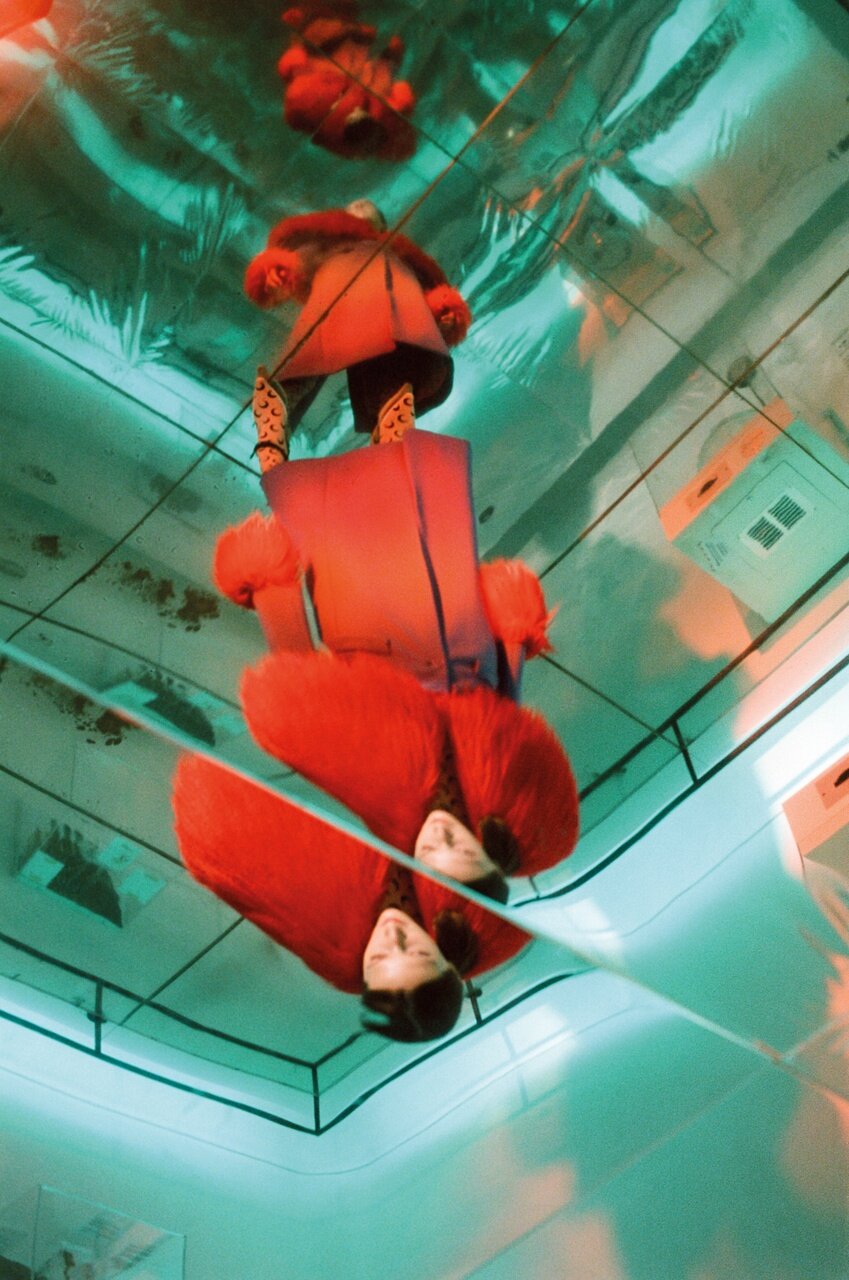
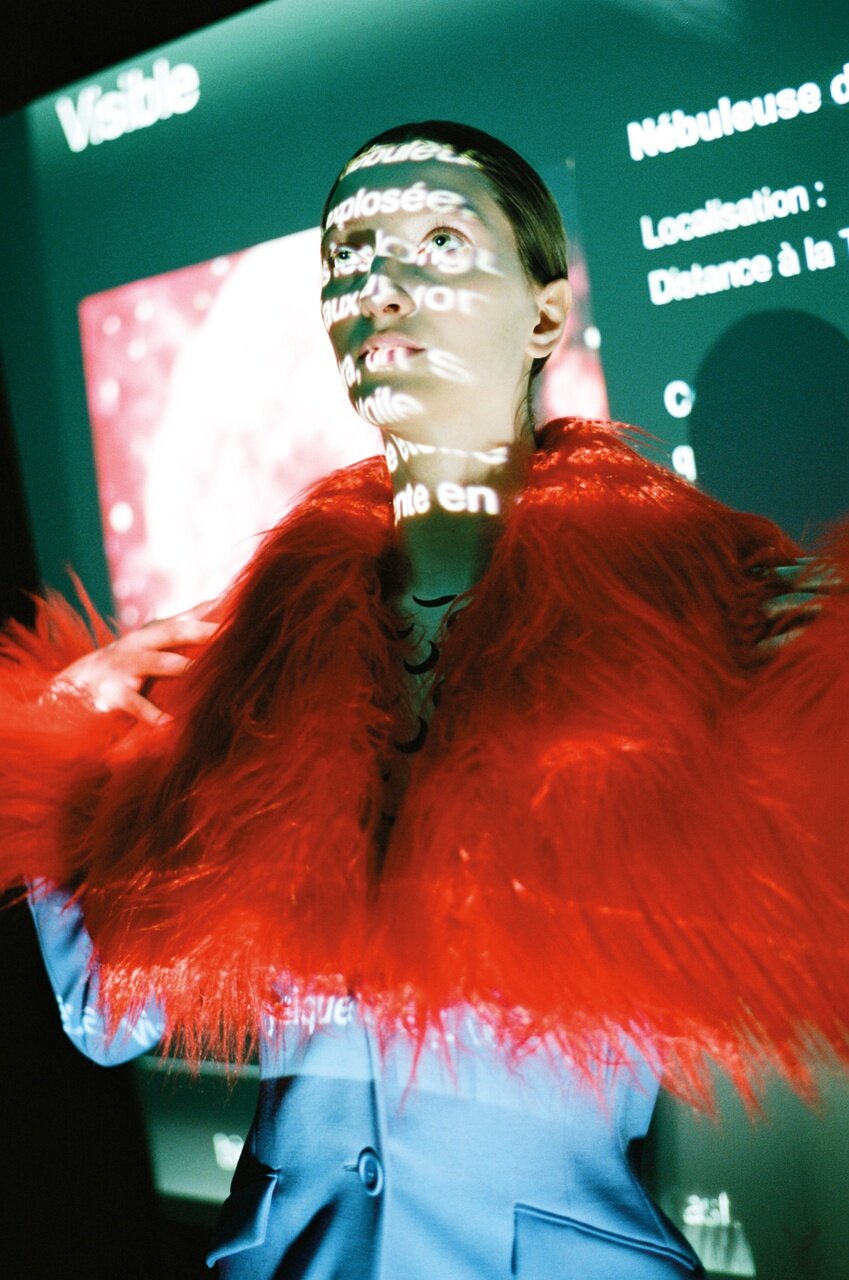
Speaking at his usual million-miles-a-minute pace, Glenn Martens reported that, actually, for the first time in forever this was a slow Y/Project collection “in that we have had six months to develop it, which is great. Because it’s meant that we’ve been able to go much deeper, across categories… and this is the big story of the collection for me,” he said. “Because of course we are not the type of brand that will ever sell that kind of ‘This season I flew to Hawaii and was inspired by’ narrative, anyway.” Putting aside the thought that a Ha-Y/Project collection could be kind of great, you could see what Martens was getting at in a series of typically fiendishly ingenious innovations that ran across the collection.

These included the braided knits that rose from the waist to tangle at the neckline in order to allow the wearer to rearrange the garment in various permutations according to inclination. As Martens said: “You have to choose where exactly to put your head within it: we always try to push people to experiment with the garments and really embrace them and have fun with them.” Double mini-dresses could be worn with the organza top layer pulled down for a more classic look, or pulled up by drawstring for a broken effect. Bucket bags came structured, as did many of the garments, with wire inserts that invited the carrier to reshape their architecture as they pleased. The ‘Melissa’ shoes, in rubber, were the chicest vegan beach-ready footwear you will ever see.

A substantial collaboration with the 110-year-old Italian sportswear brand Fila started with Martens and his crew poring through the company’s archives to find the most characteristic looks from his past, which were then subject to Y/Project woo-woo redos. So a red tracksuit cut in with white branding was rearrangeable via popper to allow you to dictate how much logo you were flashing. Look 33’s skirt was in fact a pant, with a hole to the top left of the garment that the wearer had ejected her leg from. There was also a fiercely-edged remix of the brand’s emblematically oversized 1990s basketball sneaker, the Grant Hill.

The Fila interlude receded to be replaced by garments that were also work-out ready. A men’s short-sleeved shirt came with a series of panels whose arrangement demanded that you decide whether you preferred pattern or plain, while some awesome gowns in jersey and velvet could be worn in multiple ways. Y/Project clothes are the Swiss Army Knives of fashion, multifunctional, versatile, and highly handsome to look at—democratically experimental garments that allow the consumer to be just as creative as the producer.

By Luke Leitch for Vogue

HYPEBAE: GLENN MARTENS MAKES DIESEL DEBUT WITH SHORT FILM FOR SS22 by Slow Waves

A trippy visual blurring the lines between dream and reality.

Following his appointment as creative director in October 2020, Glenn Martens has now debuted his first runway show for Diesel. The Spring/Summer 2022 collection, showcased through a short film by Frank Lebon at Milan Fashion Week, marks a new beginning for the label by fusing new styles with its signature denim.

The visual opens with rising model Ella Snyder at a party wearing a white tee and jeans. Blurring the lines between dream and reality, the video reveals the range in four sections as Snyder goes from a club to the urban streets, a futuristic hallway and a red room.

Highlights include belts woven through garments to hold tops and dresses in place. Multi-pocket denim pants – made using deadstock Diesel fabrics – come with integrated cowboy-style boots, reminding us of Balenciaga‘s 2018 “pantashoes” trend. The house’s heritage is further explored through a range of blazers, shirts and trousers with trompe l’œil details, which are also found on tights with denim illusion prints. The collection closes with organza dresses and skirts in shades of blue, red and more.

By YeEun Kim for Hypebae

i-D: KIKO KOSTADINOV AW21 by Slow Waves

Kiko Kostadinov AW21 is a wardrobe to be seen on the streets in

Laura and Deanna Fanning served up 29 looks of government-sanctioned-daily-walk chic. 

By Mahoro Seward

Kiko-Kostadinov-AW21-Womenswear-Look-16.jpg

Long before it became a pandemic trend, Laura and Deanna Fanning were staunch advocates of the meandering urban stroll. In an ironic twist of fate, though, while the rest of us have been discovering the vigour-giving benefits of a good, long walk over the past year, the twin sisters at the helm of Kiko Kostadinov womenswear have hardly had any time for one themselves. “It’s something we’ve really missed!” Deanna sighs, “To be honest, we're kind of workaholics, so the past six months, or year even, hasn't really offered us too many opportunities to get out of our working environment. We really miss watching people and seeing things that keep you going and inspire you and remind you why you're doing fashion.” “And also why you live in a big city!” Laura adds.

In many respects, they echo the spirit of the flâneur -- that brooding archetype of early modernity, immortalised by Charles Baudelaire and Walter Benjamin, who sauntered Paris’ arcades and boulevards, tapping into the creative energy that pulsed through the living city’s heart. It’s an ethos and energy that they placed at the heart of their AW21 collection, a body of work that both celebrates, and anticipates the return of, the noble art of flânerie… albeit with a twist.

“Flâneur is a word in the French dictionary but flâneuse” -- its grammatical feminine counterpart -- "is not. It's a concept that's never been afforded to women,” notes Deanna. “We wanted to look at it from a purely female perspective,” she continues, to reimagine and create a wardrobe for the contemporary flâneuse.

Naturally, there’s a focus on comfort and movement. Square necked tops, dresses and an abbreviated jumpsuit are fashioned in bright, micro-cable knit stripes, engineered to allow for uninhibited stretch. And swathes of radiating polka-dot satin are sensuously draped to create trailing skirts that hitch up into halter neck dresses, sashes that snake through belt loops on the jigsaw panelled boiler suits, and collared dresses with flamboyant, flared sleeves.

These ocular patterns reference prints worn by the stylish subjects snapped in STREET magazine, the Japanese chronicle of the ‘80s and ‘90s street fashion scenes in major cities across the world. “We specifically looked at images from London and Paris,” Laura says, “because they’re the places we were missing the most.” These images of attendees lingering outside fashion show venues and people simply passing by then became the fuel for some of the collection’s bolder silhouettes. The waisted wool felt coats with warped pocket flaps, for example, hark back to “an image of a woman wearing a military jacket walking down the street; she really looks like she's claiming the space, strutting to somewhere she needs to be,” says Laura. That sense of uncompromising presence is also conveyed through cropped jackets and evening coats collaged from wool and eco-faux fur -- a fabric the sisters first began working with in AW20 -- while duchess satin trousers with skirt overlays inserted into darts running down the leg swish and rustle when walked in. “It's a sound that's quite glamorous is a way,” Laura says, “it's so particular and you're instantly drawn to looking at a person. It really makes you notice someone walking through a space.”

Indeed, these are clothes that create statements, though not blaring ‘look-at-me!’ kind. Rather, they ooze a quietly assured, off-kilter poise; an impeccable, magnetic weirdness. The most concrete token of that is, without doubt, the first-ever Kiko Kostadinov handbag, a warped baguette in a sturdy polished leather. Modelled on cultish mini-bags from the nineties and early aughts, the sisters developed it with the intention of creating something with the same collector’s item appeal, albeit with a slightly tougher edge. “With the small bags we love from that era, you have to be really precious with them,” Deanna says, “we often find ourselves wishing that they were a bit more industrial.” Indeed, preciousness is one thing you won’t find much of here. For all this season’s aesthetic panache, it’s a collection made to be worn. Come September, when our cities’ streets throng with life once again, these will be the clothes to walk, and to be seen walking, in.

VOGUE RUNWAY: MARINE SERRE FW21 by Slow Waves

Marine-Serre.gif

Marine Serre’s fall 2021 collection, dubbed “Core,” wasn’t heralded by a short movie or a runway show, not even a virtual one, but by a website, www.marineserrecore.com, which went live at her regular spot on the Paris schedule: 10:30 a.m. CET, on the first Tuesday of the city’s show calendar. Somehow, in the turmoil of our topsy-turvy world, there’s something reassuring about that; not that reassurance has ever really been part of the Serre narrative. She’s a fearless questioner—of herself as much as of anyone else—and a pragmatic doer. It’s easy to imagine Serre being energized by having to find her place, and that of her label, in the maelstrom in which we currently find ourselves. The website, then, is a chronicle of all that goes into her designs, and ergo her view of the world, as much as it is a reveal of her new collection. And because this is Serre, someone who always prefers to use a “we” over a “me,” Core is also a rather joyful and life-affirming celebration of family, friends, and community.

“Core means the core of the brand, in much the same way as the idea of the core of a computer,” Serre said during a preview a few days ago. “It’s all of the memory; how everything connects. Pragmatically,” she went on to say, “it’s been three years since we began. We’ve been doing a lot, being an extremely creative brand; we felt the urge to talk, ring the bell, raise the alarm, and reflect that in what we’ve created. This is maybe another moment. An opportunity to look at the interesting processes we’ve put in place; to really think about the garments and the materials we make them from—the transformation of those is really part of our creativity.”

The collection is essentially a blueprint of all that Serre has accomplished since she launched the label; the latest reimaginings of her archetypes. It’s also a pretty breathtaking and brilliant statement of what can be achieved in the space of three short years; what can emerge when you harness talent with a clear sense of purpose and convictions about what constitutes your values. “What I’ve always disliked about fashion is trends,” she said. “When you know who you are, you don’t need to change faces every morning.”

F-marineserre.jpg

There are plenty of Serre’s repurposed silk scarves, draped around sinuous black dresses, which have been accessorized with talismanic metal belts and petite chain-strap bags, while other scarves have been worked into tunics and tees. Deadstock leather in shades of black, tan, and brown is graphically patched, with an anthropomorphic feel—the dynamic of how clothes move with the body was a big obsession here—into blazers with squared-off shoulders, biker pants, and jeans-style jackets, sometimes layered up with short dresses created out of antique tablecloths.

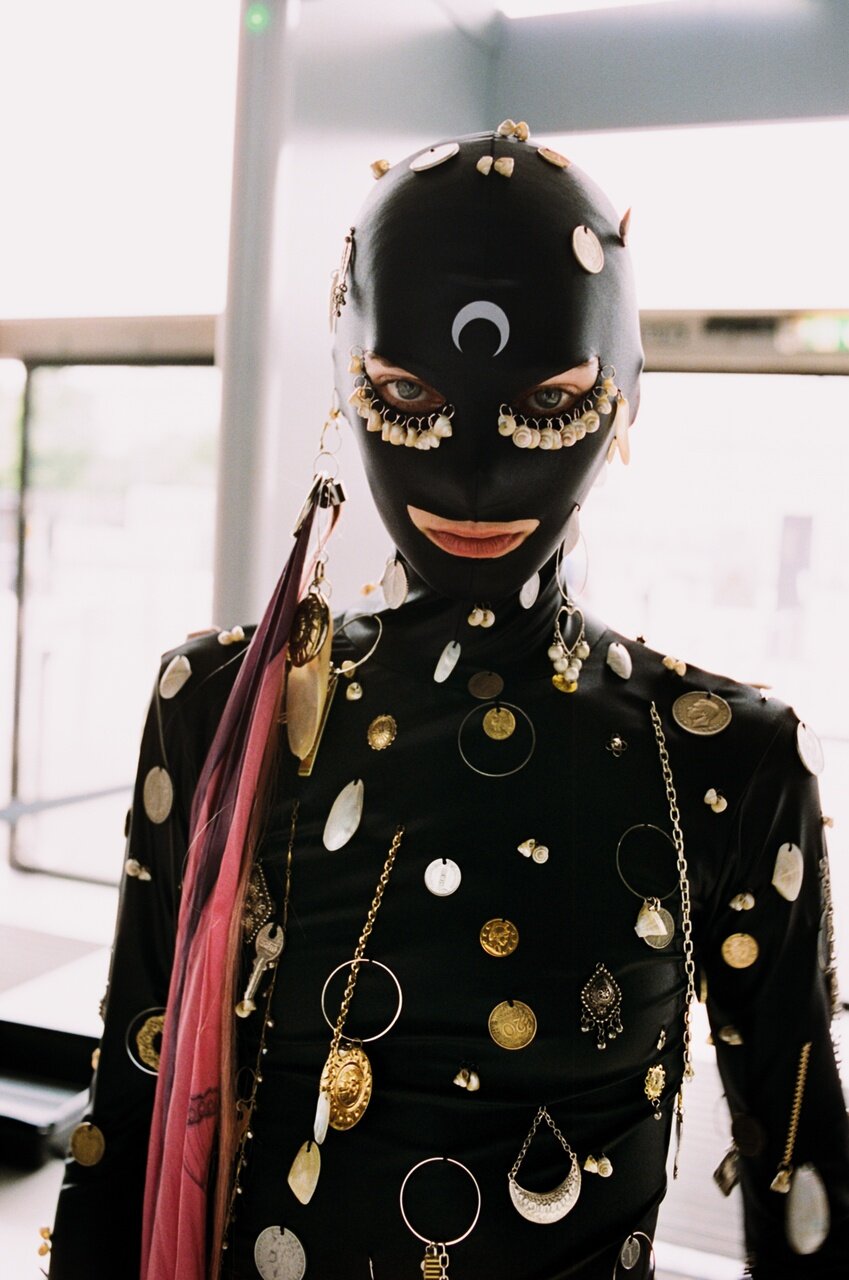
Meanwhile, moire silk, one of Serre’s signatures, makes an appearance cut onto jackets that are either sculpted close to the body or cut MA1 style, with a cool, easy sense of volume and the requisite zippered sleeves. It’s also been used for everything from short multi-pocketed skirts to baseball caps to small bags designed to be worn strapped onto the upper arms. And the now iconic crescent-moon-motif-embellished bodysuits and regenerated denim or else was mixed with more hybridity in the form of sweaters and dresses collaged out of upcycled knits. Also, can we also just talk for a moment about this collection’s omnipresent earthy brown palette? Perhaps it’s an aesthetic channeling of our collective desire to be outdoors, to be in nature, to be in the world, again.

All of this was shot on a terrific cross-generational cast of characters, kids included; a neat and effective assertion of the need for fashion to exist in reality, and to make sense of our lives. Now more than ever, we’re caught at the crossroads of function and fantasy, looking for pieces that can offer a way to somehow simultaneously head off in both directions without feeling tugged one way or the other. “It was interesting to revise what we’d already done,” said Serre. “Basically the goal was to bring more real life to our design process, to bring garments into daily life.” Her solution was to ask the team to try things on, give their feedback, then modify to make everything more relatable. The world around the label features in other ways too on the new website. You can click on different aspects of the collection—“regenerated denim” or “regenerated silk scarves”—and be taken to mini documentaries outlining how the company uses those fabrications; a clever and thoughtful way to demystify the design process.

The website also houses a charming series of fly-on-the-wall photographic depictions of those within the extended Serre label family, wearing a few of the pieces, and engaged with the humdrum realities recognizable to every single one of us. “Cooking, spending time with your mother, in the garden, playing with your dog...pleasures which are simple,” said Serre, describing the scenes. “Fashion has always been about a dream, and I don’t like that. Here, fashion is the last thing you see. What you see first are the people.” Serre’s thinking about the site is akin to the way she thinks about her designs. Visit, spend time, come back, visit again, get to know what something means and what it stands for. Nothing should ever be fleeting, or disposable, gone in the blink of an eye.

By Mark Holgate

HYPEBEAST: MM6 MAISON MARGIELA FW21 by Slow Waves

MM6 Maison Margiela Dabbles in Dual-Purpose Garments for FW21

Tranformable garments and Eastpak bags

By Jake Silbert

After debuting a genderless collection in Spring/Summer 2021, MM6 Maison Margiela is continuing to push convention aside with its Fall/Winter 2021 offering. Though the North Face collaboration isn’t returning, the sub-label is introducing another street-friendly joint effort, this time with Eastpak.

Described as “reverse mode” by the brand, this collection features a host of inverted apparel, worn inside-out, upside-down and sideways. Knitwear, shirts and dresses boast plenty of exposed seams, readjusted hems and head openings, plus the occasional portrait of Jean Sibelius, Maurice Ravel or Erik Satie, the latter of whom also partially informs the avant-garde soundtrack. Menswear and womenswear looks alike feature statement buttons and faux earrings of imitation pearl, granting contrasting notions of class to the upended tailoring, lab coats, denim layers and sweaters.

The Eastpak collaboration is similarly progressive, yielding five styles of Eastpak toteable in various hues. Each bag is entirely reversible and laden with scrappy patches bearing the name of each imprint.

VOGUE RUNWAY: MOLLY GODDARD FW21 by Slow Waves


Despite the obvious limitations of the moment, the world has hardly stood still for Molly Goddard. Since the U.K. went into lockdown for the second time this winter, the designer has been forging ahead with her eponymous label, recently dropping a capsule of exquisite bridal dresses that’s primed for the current boom in micro- weddings. (At eight-and-a-half months pregnant, Goddard and Tom Shickle, her partner in life and work, are close to marking another happy milestone in their personal lives too.) “This collection was maybe the toughest to put together because of all the restrictions,” said Goddard, speaking via Zoom from her home in West London this morning—she’s been isolating since January, under doctor’s orders. “There was so much uncertainty even in the logistics, but that didn’t stop us from taking risks. In a way, I think we really went for it.”

Goddard is well known for her daring otherworldly confections, though this season she took to honing the down-to-earth signatures in her repertoire. She leaned into the quirky Britishisms that make her work sing, starting with an extended offering of her adorable Fair Isle sweaters for both men and women. Goddard takes pride in the fact that much of the collection is manufactured in the U.K., and for fall she worked with a Scottish factory to produce traditional tartan kilts that looked especially good on the male model in her virtual fashion show, paired with colorful knits and a slouchy blazer.

Tailoring has gradually become a mainstay for the label as well, and this time around it was a men’s suit in charcoal gray with subtle ruching through the waistline that stole the limelight, prompting several male staffers at Vogue to inquire about Goddard’s new online preorder service. And though it was hard to ignore the exuberance of the tulle evening dresses in her lineup—she opened and closed the show with two especially flirty strapless numbers—the taffeta frocks with angular bows were just as attention grabbing layered over raw denim pants for day or with knee-high metallic boots for party time.

“I missed the library and going to markets—all the people-watching!” said Goddard wistfully of making the collection. Though her new clothes may have been conceived in isolation, they gave glimpses of just how playful reemergence could look this fall. 

By Chioma Nnadi for Vogue

PURPLE MAGAZINE: GLENN MARTENS by Slow Waves

MARTENS GLENN

Interview by Olivier Zahm

Interview by Olivier Zahm

the face behind y/project

we are margiela children
we’re from belgium
we’re from the ’90s

we were both in the antwerp school
margiela is more a school than a designer
it’s more a way of thinking

OLIVIER ZAHM — So, you’re the last face from Antwerp in fashion? Not the last, but the most recent graduate to become well known, no?

GLENN MARTENS — Well… Actually, it’s true.

OLIVIER ZAHM — There seems to be a constant flow of designers coming out of Belgium. It doesn’t stop.

GLENN MARTENS — It’s true! But they’re not all Belgian, you know. They’re also from all different countries, who’ve come to study in Belgium. I’m the last Belgian-Belgian coming out, probably. I think this is because the schools in Belgium are really focused on instilling independence in students. That’s how I see it. There’s a real emphasis on individuality. Antwerp [Royal Academy of Fine Arts], for sure, is not a school that is going to tell you what to do. It’s a school that will just say, “Do it again.” All the time. Over and over and over again.

OLIVIER ZAHM — And do it your way?

GLENN MARTENS — And do it your way. And they will never tell you why you have to do it over again, but you have to keep on doing it. There comes this point, after four years of studies, where you start to understand why they’re asking you to do it again. They really push you to go closer to your own personal world.

OLIVIER ZAHM — There’s no guideline.

GLENN MARTENS — Never. Never, never. It’s really strange. You really struggle. They’re always pushing you in that way.

OLIVIER ZAHM — What’s so specific about Belgian culture?

GLENN MARTENS — Belgium is a country that has been overruled so much throughout history. The last time it was independent of Flanders — the region of Flanders — was way before the Dark Ages. And then, of course, it was under Spanish occupation, German, French. And a lot of our identity got lost or stolen over the years. The most interesting part is certainly the 15th-century Flemish paintings. Well, I think in the Dark Ages, the Flemish school was kind of the ruling arts scene… And afterward, there were so many things developed there. Tapestry, painting, lace, stained glass, sculpture… So, I think they were a bit like the pre-Renaissance. But then, because we were overruled all the time, so many things got taken away. And it’s true now that if you go to Belgium, it’s not the prettiest country. It’s not like Italy or France, where you’re just constantly overwhelmed by the beauty, and constantly under the pressure of the beauty of the country’s patrimony.

OLIVIER ZAHM — Nature in Belgium is not fantastic, is it?

GLENN MARTENS — Also not! [Jokingly] There’s nothing! But the cities are interesting. You have Bruges, Ghent, Brussels, Antwerp.

OLIVIER ZAHM — So, what you’re saying is that due to a lack of cultural and political identity, the people in Belgium had to create their own identity? Does it impact the fashion creativity there?

GLENN MARTENS — Yes, I think that could be it. And also, artistically, we don’t have the weight of being the new generation of such a huge culture. So, you have to define yourself.

OLIVIER ZAHM — You have to create it. You have to create yourself.

GLENN MARTENS — Yeah, I think you can see that in art, theater, music. I think there’s a lot of things that we have to do ourselves. Because there’s not that much to build on.

Screen%2BShot%2B2020-08-27%2Bat%2B3.59.07%2Bpm.jpg

OLIVIER ZAHM — In fashion, Antwerp [Academy] is constantly pushing you to develop your own vision or your own perspective on fashion. There’s no route map or guideline.

GLENN MARTENS — There’s no code.

OLIVIER ZAHM — In a way, it’s quite punk.

GLENN MARTENS — I guess so. And darker!

OLIVIER ZAHM — There’s a sort of cultural anarchy.

GLENN MARTENS — Yeah, I guess it’s true. It’s maybe kind of punk. I’m not sure if it’s really punk because it’s Walter Van Beirendonck — the headmaster. It’s acid punk. [Laughs] It’s a very painful punk, for sure. Everybody who reaches graduation, at a certain point they have a mental breakdown and want to quit. [Laughter] Nobody comes out of there really happy and, like, pristine. It’s a bit of a self-flagellation. [Laughs, imitates the sound of whipping] It’s a good school, though!

OLIVIER ZAHM — So you were pretty ambitious from the get-go. When you arrived in Paris, was your goal to create your brand, or to be part of a brand?

GLENN MARTENS — I think most students come out of Antwerp with the idea of one day having their own company or their own brand. I first came to Paris because there was a jury member when I was in the fourth year, doing my master’s, who placed me at Jean Paul Gaultier. So, I had my first job experience straight after graduation — which was great because I would never have been able to afford an internship.

OLIVIER ZAHM — So, you were immediately hired?

GLENN MARTENS — Yeah, dream scenario! [Laughs] I mean, junior designer for the menswear at Gaultier, for the pre-collection at Gaultier — I was very lucky. Honestly, I was super lucky. It didn’t last for that long because my boss’s team got dismantled. That was with Gilles Rosier. And after that, I had all different kinds of experiences. I thought it was quite good for me to learn as much as possible. I first went to work for Yohan Serfaty — he was running his own brand in Istanbul. So, I was in Istanbul for a year. Then I worked for Bruno Pieters on different collaborations — like with Weekday, from the H&M group, then his first Honest By collection.

OLIVIER ZAHM — What is it called? Honest By?

GLENN MARTENS — Honest By, yeah. I did the first collection, which launched the brand. And then I started doing consulting, for Hugo Boss, for example. Through this kind of work, I made money to build my own…

OLIVIER ZAHM — So, you did a lot!

GLENN MARTENS — A lot of different things.

OLIVIER ZAHM — You have a real work ethic.

GLENN MARTENS — [Laughs]

OLIVIER ZAHM — No, seriously.

GLENN MARTENS — That’s why now I’m 34, and I’m going back to the parties. [Laughs] Because in my 20s, I was fully focused on work. And now I’m a bit more settled, so I’m, like, “Ok, let’s take time and discover life.”

OLIVIER ZAHM — How did you get involved with Y/Project?

GLENN MARTENS — Yohan Serfaty, who started Y/Project, had passed away a few months prior. It was a company in mourning. Also, it was a very dark collection. It was beautiful but quite niche — leaning toward a kind of Rick Owens direction. And this really reflected Yohan’s personality. He was a Tim Burton figure or character — tall, super-skinny, wearing long leather jackets. In the beginning, we decided to stay as close as possible to Yohan’s world, and then slowly change to something a bit closer to my world, something a little fresher. I always thought you have so many great designers doing that already — you have Rick Owens, Ann Demeulemeester — doing great things like they do, so why would we also try to take that direction? But the idea was really to take our time, and we really managed. After two years, under my direction, the brand’s 20 stores were a little more like Opening Ceremony,

OLIVIER ZAHM — You seem to be very relaxed and deal easely with the stress at work. You don’t lose your sense of humor?

GLENN MARTENS — We’re a very good team. We’re really a team. It’s like a family. We were five people when I arrived. Now we’re 20 — 25 if we include freelancers. The challenge is that every season, it’s a full new story. Because every season, we grow so much that there are new things coming in. You have to reinvent your way of working for new factories, a new team member… You have to get seniors. It’s always a whole new way of working. It’s never stable. [Laughs] It’s always, like, “Okay, what’s happening now?”

OLIVIER ZAHM — There’s no routine.

GLENN MARTENS — We’re growing so much — by, like, 40% every season. There’s no routine. And then you have cooperations, etc. So that’s a challenge — to deal with all these changes and still do your thing, and not lose your way, the initial identity of the label.

OLIVIER ZAHM — And you may have to face industrial problems. And you’re not trained for that, necessarily. 

GLENN MARTENS — Right! And everybody at Y/Project was still learning the job by doing. But there comes a point when you have to stop making these baby mistakes.

OLIVIER ZAHM — Where do you find your ideas? Because you say you didn’t follow the Owens-Margiela-Demeulemeester path. People connect you with Vetements, but that is also Margiela, in a way. 

GLENN MARTENS — I honestly think that makes sense. Because—

OLIVIER ZAHM — Yes. A method, almost.

GLENN MARTENS — It’s definitely a method.

OLIVIER ZAHM — There is so much to learn from him. 

GLENN MARTENS — He’s a genius. And, of course, some designers do it more literally than others. We have a lot of second degré [tongue in cheek] — that’s really the main idea of the collections. It always has to be…

OLIVIER ZAHM — Fun.

GLENN MARTENS — Fun.

OLIVIER ZAHM — Interesting, yes. Surprising.

GLENN MARTENS — It needs to be fun. It needs to be happy. I just think that clothes need to be fun to wear — you need to be challenged a bit. It’s cute that you can give that to people — that they’re surprised, and they don’t know what to do. The whole idea is to trigger people. But to come back to your original question: my ideas mostly have to do with Belgium, actually. Very historic.

OLIVIER ZAHM — So, your approach and your pleasure in design is… you don’t take it too seriously?

GLENN MARTENS — No. I think it’s really very much about enjoying yourself. And [about] individuality. That’s also important for me. If you look at our collection plan, or the catwalk, you have so many different kinds of people jumping in that collection. And in so many different directions — our production groups go from sportswear, denim, streetwear, corsetry, tailoring… There are all different kinds of situations.

OLIVIER ZAHM — You’re very eclectic.

GLENN MARTENS — It’s super eclectic. But I think it reflects personalities. I can be a club kid, I can be a loving grandson, I can be a lover, I can be a businessman — and all in one day. [Laughs] You can be all these different kinds of people in one day. Also, there’s the fact that we’re traveling all the time. You’re going to be in LA tomorrow — there’s a whole different Olivier in LA… Surroundings always have an influence on you.

OLIVIER ZAHM — So, you need this variety in a collection.

GLENN MARTENS — I need that. And I also think it’s really fun that every single piece is versatile. You can change it, you can adapt it. It’s really pushing individuality. You really have to own the piece. It has to become something you feel comfortable with. Instead of hiding in it. There’s a lot of people who wear clothes to be part of an army.

OLIVIER ZAHM — How is this versatility compatible with a clear image for your label?

GLENN MARTENS — We don’t do a lot of branding. We have a bit of branding, of course, but we don’t do that much because we try to avoid this army figure. It’s more about eclectic individualities. We’re still quite small, we’re still very niche, and people are coming to us for that. It’s a very nice position to be in — today, in this situation, in this brand. We can still do it. I don’t have a brand manager pushing me all the time, saying, “You sold so many jerseys — push that.”

OLIVIER ZAHM — But we can immediately identify what you do.

GLENN MARTENS — There’s a link, yeah… There’s opulence. I think the link is opulence. It’s always very rich.

OLIVIER ZAHM — Generous, yes.

GLENN MARTENS — [Laughs] Not rich like money, but in form.

OLIVIER ZAHM — We are lucky to have you in Paris because you bring a new energy, and Paris for a while was a bit “done” on the fashion map. Like, from 2005 to 2010, we were wondering, “What’s going on in Paris?” It’s a paradox because Paris is seen as a place for fashion, but there are not so many young designers, not so much new blood, exciting energy.

GLENN MARTENS — I think there were always interesting designers shown in Paris, but they were coming from outside. But Paris changes a lot, no? I don’t know how you feel about it, but I really feel it. I’ve lived here for 10 years. I think it’s a different city… There’s a whole underground scene that is opening up. There’s a whole music scene, there’s a party scene. There are cultural centers in Pantin, or wherever. I think there are a lot of things slowly changing. And I think that goes hand-in-hand with fashion, of course. I think Paris got a bit of a wake-up call. It was, like, “Okay, move your butt.” [Laughter] You can’t rely on the big ones only.
Screen%2BShot%2B2020-08-27%2Bat%2B4.02.01%2Bpm.jpg

OLIVIER ZAHM — How do you deal with this new social media environment and this world of images and videos coming to your phone, all the time, from everywhere? Does it inform your fashion in a way, or not?

GLENN MARTENS — I think it’s very helpful. I think people can say whatever negative things about it that they want to, but viewed positively, it’s extremely helpful and extremely gratifying. Nowadays, if I follow the right people, I can be in some Berlin scene, I can then be in the London scene, I can follow people from all over the world and see what’s happening around the world.

OLIVIER ZAHM — And do you get ideas sometimes? 

GLENN MARTENS — Yeah. I think I can get vibes. Honestly, it’s a living encyclopedia.

OLIVIER ZAHM — It’s a moving encyclopedia.

GLENN MARTENS — Yeah. I think in former days, Yves Saint Laurent went to Marrakesh to get inspired, and he had to do that. Which is, of course, always the best — to go on the spot. That’s where you really feel the vibes. But people had to travel in order to get inspired by something different. And now, we can just have it on our phones. We can escape in one second. I can be in my office, have an annoying meeting, go on my Instagram, and be calm.

OLIVIER ZAHM — You don’t seem to have the big ego of the designer?

GLENN MARTENS — I don’t see myself as the most talented designer in the world. I just see myself as maybe a person who…

OLIVIER ZAHM — A catalyst?

GLENN MARTENS — Yeah, who’s better at matching people and talking to people. For me, it’s really a way of working. I really love going to the office. I’m always super happy. I work with the same people… Since the very beginning, when I had my own brand, before Y/Project… I had my own brand for three seasons. I’ve discovered my stylist, Ursina Gysi, I’ve discovered my favorite photographer, Arnaud Lajeunie, who became two of my closest friends. Together, we’re growing. She’s doing all my shows. Arnaud does all my campaigns. And it’s like a family. It’s a lot of interaction together.

OLIVIER ZAHM — Ursina?

GLENN MARTENS — Ursina Gysi. She’s been my stylist since the very beginning. Well, not really the beginning — the first two, she didn’t do.

OLIVIER ZAHM — So, it’s not only the clothes. It’s the team, and it’s also the picture. 

GLENN MARTENS — The whole visual story. The whole identity. It’s very gratifying to work in that way. I think it’s extremely good because you have a lot of trust.

OLIVIER ZAHM — So, you are the living demonstration in Paris that there’s room for a fresh, new spirit, right?

GLENN MARTENS — I’m not the only one. But I definitely… There’s definitely room for it. But you have to push. You have to push hard. It’s a very difficult industry — either you need a lot of money, or you need a lot of motivation and people around you to help you build your future.

PURPLE MAGAZINE: MARINE SERRE by Slow Waves

imagining a post-apocalyptic time, the rising star of paris fashion is making upcycling the new standard while pushing the creative possibilities of sustainability

interview and portrait by OLIVIER ZAHM

interview and portrait by OLIVIER ZAHM

OLIVIER ZAHM — What is your relationship with nature?
MARINE SERRE — I grew up in the country. Until I was about eight years old, I lived in a small city, Brive-la-Gaillarde. Then my parents felt they needed some space and freedom, and we moved to an old farmhouse in a hamlet of five houses in the Corrèze region, with four families, a dog, and nature all around us. I grew up in a microcosm, with a direct relationship to nature. As soon as I’d get home in the evening, I’d go for a stroll in the forest.

OLIVIER ZAHM — Did you have a lot of freedom as a child?
MARINE SERRE — Yes, and great bodily freedom as well. You’re unaware of it at the time. Only later, when you’re living in Paris and start to miss it, do you realize what you had. At the same time, I really love cities, but only because I know I can get away. In the summer, I’ll often head to the mountains for three weeks at a time. I’ll just up and go with nothing: just my bag, some water, a pair of socks, a pair of shorts — stuff like that. They’re really memorable excursions — seven hours of hiking per day. At every moment, you’re face-to-face with a world much larger than you. It’s really a question of scale — between nature’s vastness and your size as a human being.

OLIVIER ZAHM — You’ve incorporated an environmental ethic into your brand. Has that always been part of your world?
MARINE SERRE — For me, it’s very natural. My whole collection for my fourth year at La Cambre [an art and fashion school in Brussels] was recycled. But it wasn’t something I put into the marketing. It’s a way of working and, for me, a part of the process. Only recently have I begun speaking about it openly.

OLIVIER ZAHM — So, you were already recycling garments for your student collections?
MARINE SERRE — Yes, or fabrics I’d come across. Tarps from worksites made into trench coats, for example, or bathroom rugs or felted wool blankets made into coats. It was an economical approach because I was short of money for producing my collections. It made no sense for me to go to a fabric vendor and buy new fabrics. It made more sense to take a fabric that was already in daily use, with its own value, identity, and history.

OLIVIER ZAHM — Materials that already have a history…
MARINE SERRE — Yes, but what I really love is transforming those materials. When I was young, I spent a lot of time in secondhand shops. My grandfather runs a secondhand shop, and he passed on a certain relationship to objects — to the value of objects of a certain quality, and also of objects of no value. I made a piece like that last year, a coat covered in key chains. They were worth 10 cents apiece, but when you put them together, a transformation takes place.

OLIVIER ZAHM — We consume too much, produce too much — too many garments as well. It’s a contradiction inherent to fashion, which turns on the renewed desire for change. How do you deal with that paradox?
MARINE SERRE — I transform it. I take what’s already there, and the only energy I use is my own and my team’s as we rack our brains to make you want to wear the garment tomorrow, to make it desirable.

OLIVIER ZAHM — Why create a new fashion brand in a world that’s already saturated with them?
MARINE SERRE — I wanted to be useful, not to do things gratuitously, to try to be coherent. I created my brand because I wanted to make a small contribution to the necessary transformation of the world we live in.

OLIVIER ZAHM — A world headed for doom.
MARINE SERRE — It’s crazy.

OLIVIER ZAHM — Do you think this is unique to your generation?
MARINE SERRE — People are finally ready. When Martin Margiela worked on recycling, fashion consumers were less ready than they are today to deal with a collection designed with these ideas in mind. With everything that’s happening all around us, we have to find some other way to think and work.

OLIVIER ZAHM — In your view, can fashion and fashion designers steer their audience toward the necessary changes?
MARINE SERRE — I think so, yes. But it’s not as if I believe that I myself can do it! I’m hoping to build an ecological brand, but I’m very realistic about what’s happening today. We’ve only suffered defeat until now. Real failure. Even if it’s true that we mustn’t get discouraged — because it’s important to stay enthusiastic and lighthearted, and not lose sight of what you want to achieve.

OLIVIER ZAHM — Unfortunately, it might only be when things get dramatically worse that we finally react.
MARINE SERRE — Yes, and people today see it almost as a duty, but I don’t. I see it as an ordinary thing. It’s neither a duty nor a responsibility: it just makes sense. Once we decide to maintain a certain connection with nature and with life, if we don’t want to end up in a bubble all by ourselves, then we have to consider the trees around us, the air around us, and what happens between us all.

OLIVIER ZAHM — Could you explain what you mean by upcycling?
MARINE SERRE — For me, upcycling, unlike recycling, means taking garments at the end of the chain, before they’re destroyed, and transforming them, raising their quality and making them into unique objects from a fashion perspective.

OLIVIER ZAHM — And you have to sort through tons of clothing?
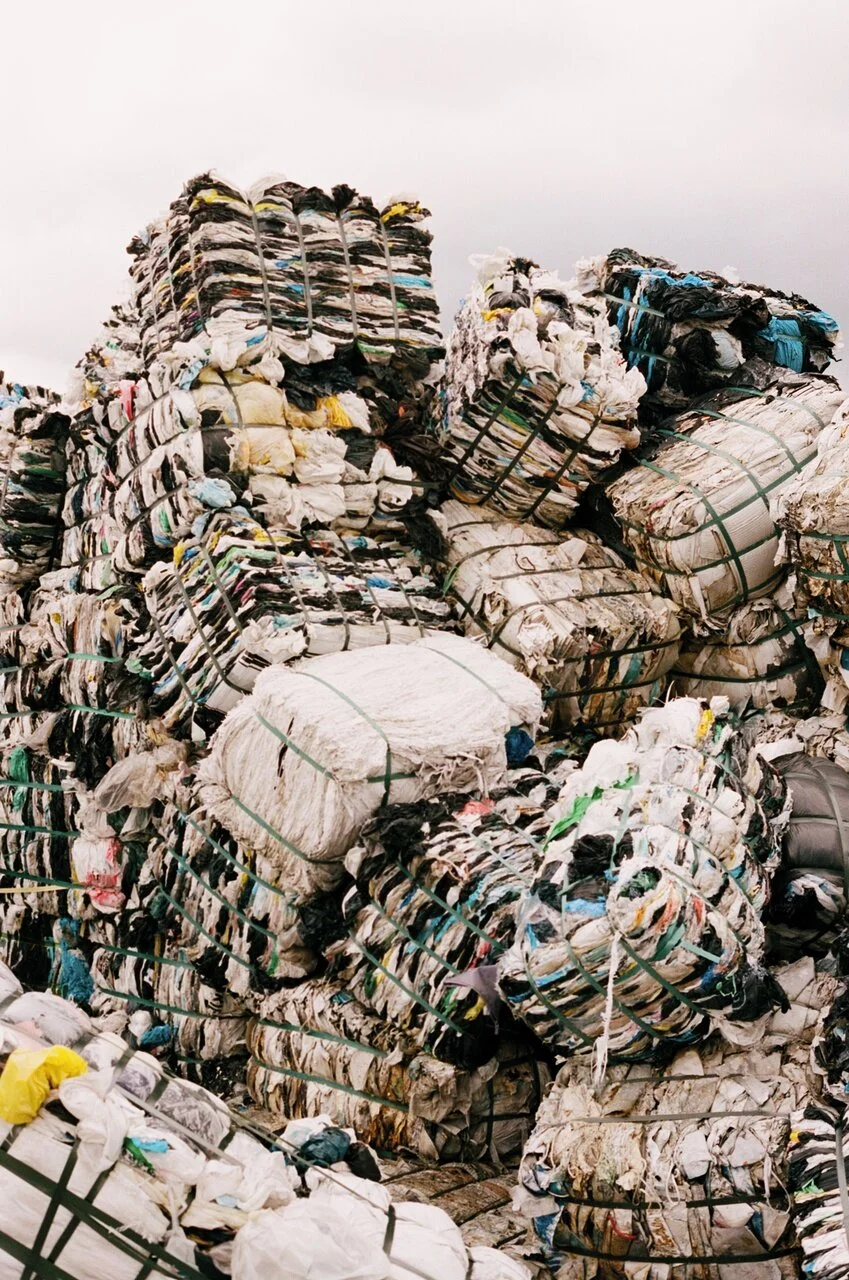
MARINE SERRE — Tons and tons of clothing! A small part of used clothing goes off to vintage shops, but a lot is burned or sent to Africa or sometimes stored without any specific plan. You have these mountains of plastic bags you have to sort through, while thinking, “What can I do with all this?” The transformed item, clearly, had better be perfect. I’m intransigent on that point. I want every one of my pieces to be impeccable. It’s a crazy feat interms of production. No one has ever managed to do it working with a factory, on a large scale.

OLIVIER ZAHM — Was Martin Margiela a precursor of this?
MARINE SERRE — Yes, absolutely. I was lucky enough to work for the Margiela fashion house when Matthieu Blazy was the creative director, before John Galliano. It was tremendously inspiring to see how the house would go about transforming vintage clothes. Of course, I studied in Belgium. Recycling is part of the fashion culture in Belgium, and I was able to round out the year by making a trench coat out of tarps. It wasn’t really a problem. [Laughs]

OLIVIER ZAHM — You’ve refined your creative relationship to recycling, pushing it toward experimentation.
MARINE SERRE — With the Red Line, a more experimental line of couture, I can take things further and have some fun. I think certain people have a lot of fun wearing my clothes. At the same time, though, what you wear every day — your wardrobe, your daily vocabulary — is essential. I think we all know that these days, but we don’t want to look like a clown when we’re on the street. So, apart from the couture pieces, the daily vocabulary and the everyday aesthetic can be fascinating.

OLIVIER ZAHM — Is that the biggest challenge?
MARINE SERRE — We spend a lot of time working on that. The factories we’re using today understand what we’re trying to do, but at the same time, the actual manufacturing is complicated because they’re not used to it.

OLIVIER ZAHM — You have to train the factories?
MARINE SERRE — Exactly.

OLIVIER ZAHM — How many different lines do you have?
MARINE SERRE — We’re working on four lines. The Green Line is exclusively based on upcycling: nothing but garments that have been transformed and become something else. We have jeans, leather, silks, wools. Our prices are very high for the moment because it takes a while to make our raw materials and work on them, so we operate almost at a loss. We’re looking for ways to make production profitable and offer affordable clothes. How do you offer upcycling at an affordable price? On a few items, we can manage it— for example, with jeans, we have to open the seams on the sides, remove the zipper, resew everything from the inside…

OLIVIER ZAHM — So, you develop original production techniques.
MARINE SERRE — Absolutely.

OLIVIER ZAHM — And that’s something Margiela never took very far. Margiela was more about the deconstruction of clothing — garment after garment. He didn’t go too far with production.
MARINE SERRE — Right. I myself am looking not to deconstruct, but to transform. This enables me to create a desirable product, if you will, with the proper proportions. Because in the end, it’s also a matter of the silhouette.

OLIVIER ZAHM — What are the other lines?
MARINE SERRE — In addition to the Green Line, we have the Red Line, which is more couture, more artisanal, where I can really let myself go creatively and collaborate with artisans. The latest piece you’ve probably seen, for example, is the dress with the white drape, which is made of recycled T-shirts and has become a haute couture dress, with a strapless brassiere on the inside. I really see it as a redcarpet dress.

OLIVIER ZAHM — What are the two others?
MARINE SERRE — There’s the White Line, which is really the everyday wardrobe — woolen suits, for example. And price is important to me because in the stores today, designers often end up with very expensive items that are not worth the price. For me, it’s super-important to find the right price. We try to keep an eye on it all the way down the chain.

OLIVIER ZAHM — Just to wrap things up with your lines, is there another line after the White Line?
MARINE SERRE — The fourth is the Gold Line, which is rather hybrid. All the pieces I’ve made are a mix of vocabularies — between jerseys and moirés, for example. The Gold Line is really experimental — reflecting the most artisanal or the freest side. How can I make the wonderful fabric on this chair into a wonderful pair of pants to replace your jeans? It’s also about opening the way to unknown materials and to collaborations. It’s about developing an as-yet-unknown fashion vocabulary. It’s the most fashion-oriented line!

OLIVIER ZAHM — Let’s go back to the idea of sustainable fashion. I speak in terms of cosmic awareness, if we can call it that. The word “environmental” is no good.
MARINE SERRE — “Ecological” has become old hat, too. It’s been used so much and become so commercial. Now all brands have a “green line.”

OLIVIER ZAHM — It’s marketing, and overproduction is still a problem.
MARINE SERRE — That’s why I insist that the Green Line is nothing but upcycling. Only with the White Line, which is more or less a normal line, do you have organic cotton, recycled materials, and so on.

OLIVIER ZAHM — You said you’d gone to Copenhagen. When you look around, do you see young designers making similar moves?
MARINE SERRE — Yes. I think it’s really starting to catch on. There are millions of things I don’t know. We’ve just moved to the north of Paris, into much bigger premises, and I’m more or less trying to do as much as possible in-house. That way, I don’t resort to air freight or sending any packaging, and all the transformation is done right there. I find that very stimulating. You have the real energy of the people who are present, creating the piece with you. It generates group energy as well.

OLIVIER ZAHM — The wonderful thing about you, I find, is that you’ve made this commitment without compromising your creative ideal. Your creative ambitions are intact.
MARINE SERRE — Things start there. That’s the beginning.

OLIVIER ZAHM — Because designers will often focus on design and the effect their piece is going to have. They won’t abide by any limits.
MARINE SERRE — I see myself more as being at-the-service- of, you see? I feel that I’m more at everyone’s service, even if that seems a bit odd.

OLIVIER ZAHM — Without losing your creative ambitions.
MARINE SERRE — Right. But with a very clear vision of it. Sometimes I drive my team to desperation because I’m radical! Today we’ve lost clarity, vision. There’s so much information about everything that we’ve lost our way…